There was a time when being a funeral director carried a quiet reverence. We served as stewards of grief and guardians of legacy. Now, when asked what we do, we hesitate—not out of shame, but because public perception is changing, and not always for the better.
What troubles us most is seeing social media posts where people use funeral service to get attention and entertain others, all in the name of transparency. These posts seem more focused on getting likes and followers than on truly informing the public. We wonder when funeral service changed from being dignified to becoming a platform for personal fame. The term ‘funeral influencer’–an inane term if ever there was one– is especially baffling and has turned death care into a stage. What are these so-called “influencers” really influencing? If this trend of oversharing keeps growing, we risk losing all respect and privacy in our work. Where have dignity and discretion gone?
Social media has opened the funeral home doors, offering glimpses into embalming rooms, casket selections, and grief rituals. We’ve seen posts that claim to educate while glamorizing the work. There is nothing glamorous about it. Sacred moments get reduced to hashtags and shock value. I’ve watched so-called professionals chase virality under the guise of transparency. Families become backdrops for curated content. We ask ourselves: When did our profession shift from dignified service to digital spectacle?
Transparency isn’t the problem. We support it to a degree and believe in making the workings of a funeral home less mysterious and providing families with knowledge. Honoring the ending of a life matters. Our worry is that transparency without emotional understanding becomes exploitation. When influence goes unchecked, it weakens accountability and puts our profession’s dignity at risk. This is the challenge we face now.
What Real Influence Looks Like in Funeral Service
Today, it is easy to mistake being seen for being valuable. In funeral service, though, real influence is not about viral posts or carefully chosen images. It comes from being present. Comfort comes from the quiet moments when a grieving family feels noticed, supported, and understood.
Real influence is not about putting on a show. It does not matter how many people watched, but how deeply they were moved.
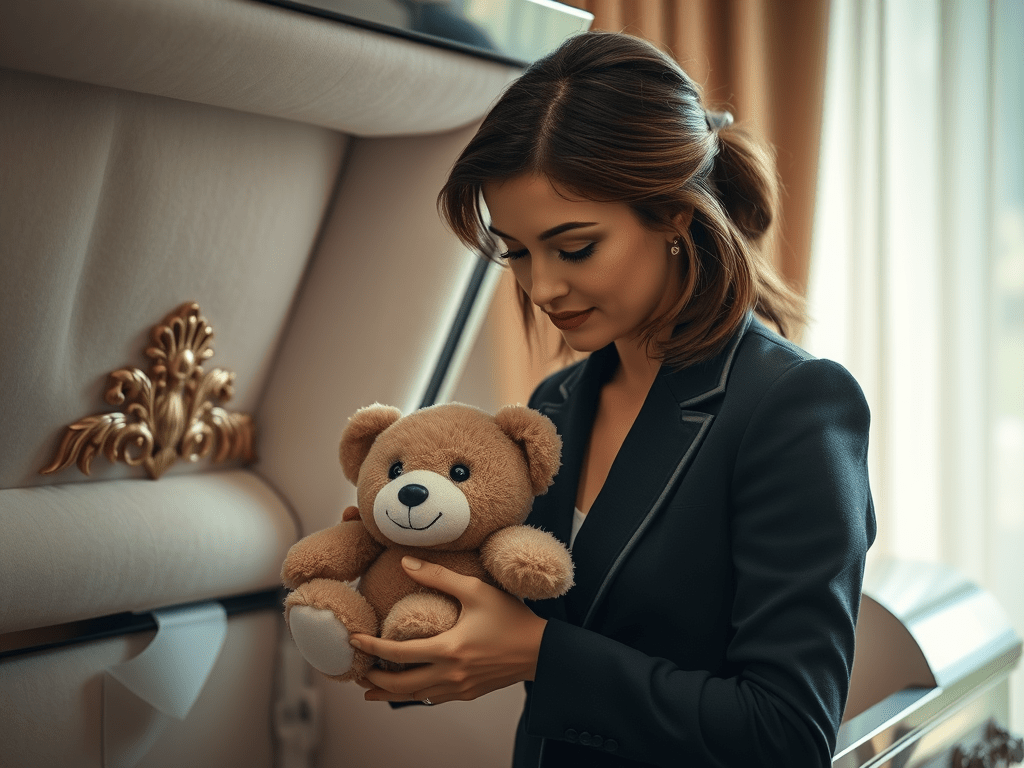
It’s the funeral director who remembers a child’s favorite toy and places it gently in the casket, or the one who helps a widow choose a song that marks fifty years of love. It’s the embalmer who restores dignity to a face ravaged by tragedy allowing a mother to say goodbye without fear.
These moments don’t trend. They don’t come with hashtags. But they shape lives.
Real influence is also about legacy. It’s about challenging the norms that silence emotions of grief or shame. It’s about advocating for inclusive rituals and spaces where mourning can feel safe, not hidden. It’s about showing that deathcare is not just logistics—it’s caring in action.
Real influence can exist online. You can see it in thoughtful writing, meaningful images, and platforms that honor the dead without taking advantage of them. It can be stylish, poetic, and bold if it is based on respect.
So let’s commit—starting now—to redefining what influence means in funeral service. Each of us can choose to honor dignity and care, both in private and in public. Let’s focus less on being noticed and more on truly seeing and serving others. Upholding dignity, presence, and respect—not viral visibility—is the true purpose and influence of our work. We are advocating for a return to thoughtful, responsible transparency that serves families, not followers.
 The Morte Girls
One response to “Redefining Influence in Funeral Service”
[…] for decades. She recently penned this column for her blog and probably a national magazine. “Redefining Influence in Funeral Service.” It hits the nail on the head, is short and I encourage you to read it. For me, it makes me stop […]
LikeLike