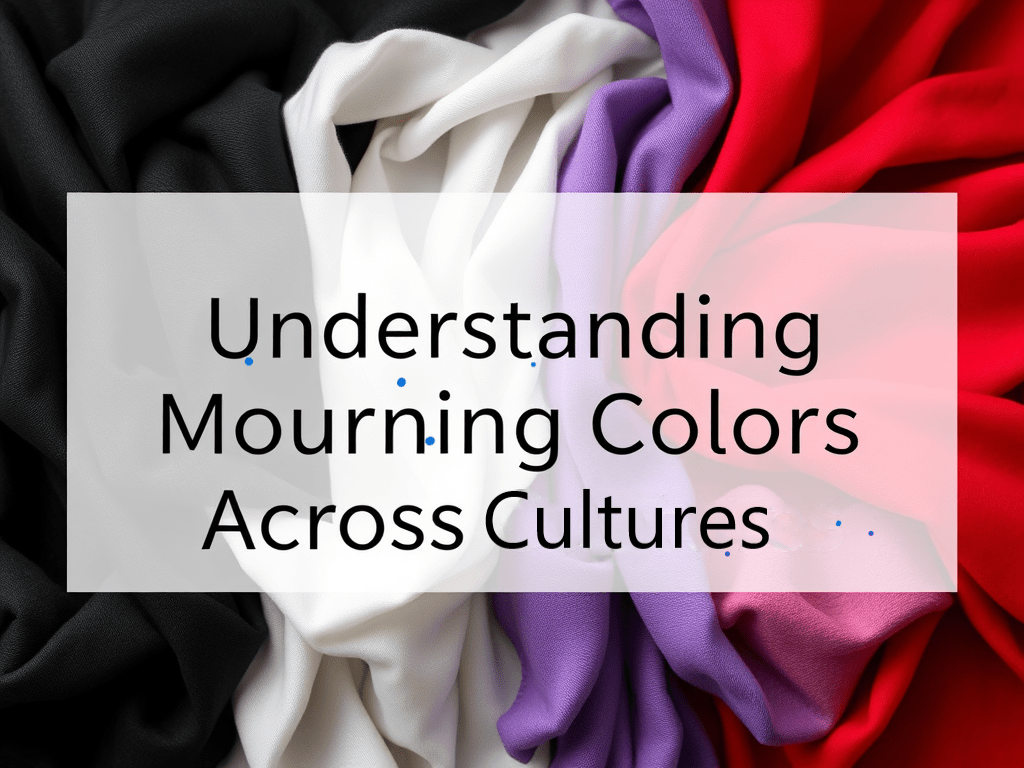
Mourning clothes are more than fabric. They are a way to show emotion, grief, and respect. Throughout history and across cultures, the colors people wear during loss have held deep meanings. These colors can show sorrow, honor, change, and spiritual beliefs. Each color tells the story of both the person who has died and the culture that is grieving. No matter the color—black, white, purple, or red—mourning clothes help people remember and find meaning during times of loss
Black: The Western Cloak of Grief
In many Western countries, black is the main color for mourning. It shows seriousness, respect, and a step back from daily life. In Victorian England, wearing black after a loss became a strict rule. Widows often wore black for years to show their grief and status. Black absorbs light, much like grief can fill our thoughts, giving us time to reflect and honor the person who has passed away. It marks endings and shows quiet strength.
White: Purity, Spirit, and Sacred Farewell
In many Eastern cultures, white is the color of mourning. In China, India, and some parts of Africa, white stands for purity, the soul’s release, and the cycle of life and death. People wear white to honor the spiritual journey of the deceased, not just to express their own sadness. At Japanese Buddhist funerals, white robes show a belief in rebirth and moving on. In Ghana, white is sometimes worn at funerals for elders to celebrate a life well-lived. While black is used to mourn, white is used to celebrate the soul.
White represents purity, peace, and the soul’s journey to the afterlife. It is often used for the funerals of young people or children.
Purple: Royal Grief and Spiritual Transition
Purple is a color associated with mourning in Thailand and Brazil. Widows often wear it during certain times of grief. Purple has long been associated with royalty and spirituality, and it evokes the space between life and death. In religious services, people often wear purple during Lent, a time for reflection and penance, which evokes feelings of grief and mourning.
Purple has long connections with royalty and spirituality, symbolizing the space between life and death.
Red: Reverence, Protest, and Ancestral Power
Red is one of the most complex colors associated with mourning. In South Africa, people use red to honor ancestors and ask for protection. Some Indigenous cultures use red in ceremonies to remember missing and murdered women, turning grief into action. In China, red is typically avoided at funerals because it is associated with celebrations; however, it may be used at funerals for elders to show respect. Red stands for blood, life, and legacy, and it stands out even in times of sorrow.
 The Morte Girls