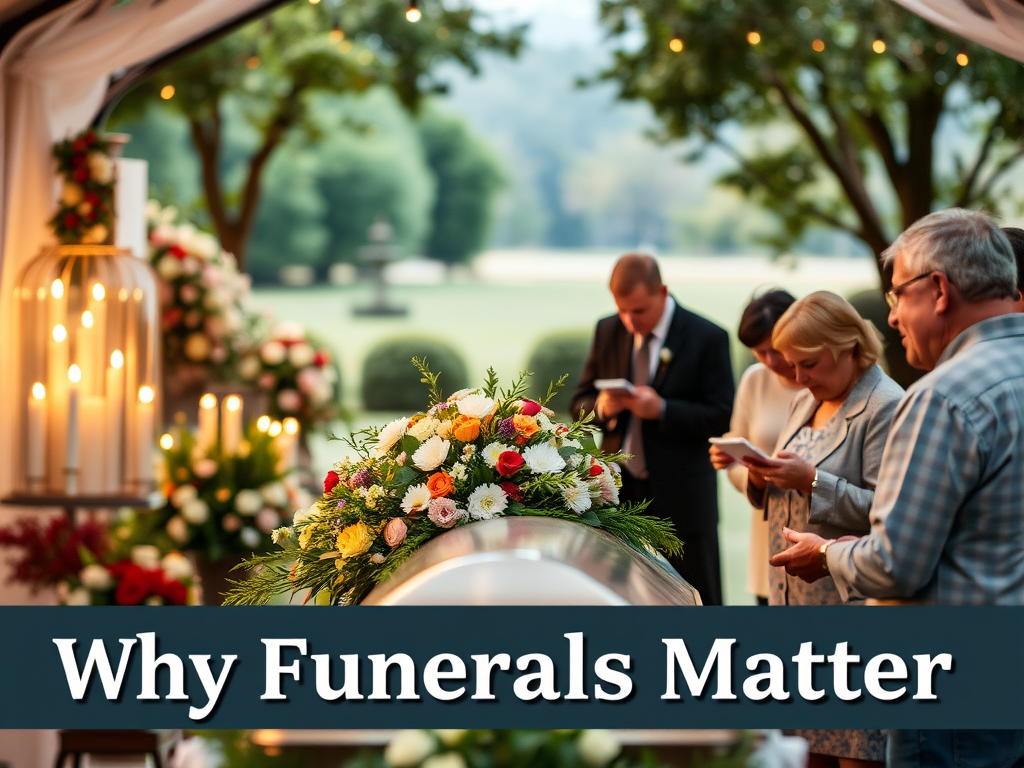
Loss is a profound human experience that can never be fully comprehended until it is felt firsthand. Having navigated the turbulent waters of grief ourselves, we understand that funerals hold a unique significance in the lives of those left behind. They serve not merely as rituals or expenses but as important cultural and emotional events that allow us to honor the deceased and ease our mourning process. In this article, I will explore the myriad reasons why funerals matter and how they can shape the experience of grief for families and communities.
1. Funerals Honor the Deceased
One of the primary purposes of a funeral is to honor and celebrate the life of the person who has passed away. Funerals provide an opportunity for family and friends to gather together in remembrance, share stories, and reflect on the impact the individual had on their lives. Here are several ways funerals honor the deceased:
1. Personal Tributes: Eulogies and personal anecdotes allow loved ones to express what the person meant to them, ensuring their memory lives on.
2. Cultural Rituals: Many cultures have specific rituals and ceremonies that help keep the traditions surrounding death and remembrance alive.
3. Physical Presence: Viewing the body, whether through an open casket or a memorial display, can provide closure and a tangible connection to the deceased.
In essence, funerals transform mourning into a celebration of life, allowing us to collectively reflect on and appreciate the contributions of those we have lost.
2. Funerals Help to Facilitate Grief
Grief can feel isolating, and funerals provide a space for shared mourning. Attending a funeral offers a preliminary step toward healing for many. Here are some key aspects of how funerals help facilitate grief:
1. Community Support: Funerals gather family and friends, creating a supportive environment where individuals can lean on one another during a challenging time.
2. Shared Remembrance: Sharing memories and stories can promote emotional healing and help attendees feel less alone in their sorrow.
3. Structured Mourning: Funerals provide a structured way to express grief and honor feelings that might otherwise feel overwhelming.
The communal nature of funerals cannot be overstated; they remind us that we are not alone in our struggle.
3. Funerals Help to Provide Some Closure
The closure provided by a funeral can have lasting psychological effects. For many, it serves as a significant transition from the active experience of caregiving or managing loss toward the process of healing. Key elements include:
1. Rituals of Farewell: Engaging in final rituals helps individuals come to terms with the reality of death and symbolize letting go.
2. Symbolic Gestures: Activities such as lighting candles or planting a tree can act as lasting tributes and provide a sense of ongoing connection to the deceased.
3. Clarifying Acceptance: Funerals challenge attendees to confront their feelings and can facilitate acceptance of the reality that life has changed.
By marking the end of one chapter, funerals signify new beginnings and the opportunity for healing.
4. Funerals Reflect Life’s Value
The nature of a funeral highlights the sacredness of life itself. As individuals, we often get caught up in daily routines and take life for granted. Funerals serve as a stark reminder of our mortality and the transient nature of existence:
1. Reevaluation of Priorities: Loss often prompts reflection on the importance of relationships and experiences, encouraging attendees to reevaluate their lives.
2. Acknowledgment of Life’s Journey: Funerals allow people to celebrate the accomplishments, struggles, and journeys of the deceased, emphasizing that every life holds value.
3. Legacy Building: Attendees can consider what legacy they want to leave behind, potentially motivating them to live more intentionally.
By encapsulating both loss and reflection, funerals ultimately reaffirm the importance of life.
Funerals represent far more than simply honoring the dead; they serve as essential events that facilitate grieving, provide closure, and reaffirm life’s value. As women who have experienced loss personally, we can attest to the necessity of these rituals within our lives. They help us better understand our emotions, connect with others, and ultimately foster healing. While the cost of funerals can be daunting, their significance cannot be understated. They provide comfort and a sense of purpose during one of life’s most challenging times. So, let us not view funerals merely as a financial burden, but rather as a profound and necessary human experience that underscores the sacred nature of life, even in death.
 The Morte Girls